Scalable green hydrogen. Delivered.
Rapid delivery, industrial reliability, and scalable capacity based on the modular HydroGen Electrolyser, a system operating since 2023.
Industrially produced green hydrogen, scaled to your project
Stiesdal Hydrogen delivers complete electrolyser systems for industrial hydrogen production.
We assemble and install the 3.1 MW and 6.5 MW HydroGen Electrolysers. Our systems operate flexibly with intermittent power and produce cost-effective green hydrogen at scale.
By replacing complex construction with standardised manufacturing, we enable developers to go from project decision to first hydrogen in months rather than years. At our most recent installation, hydrogen production began just 16 days after site delivery.
Industrialised and modular
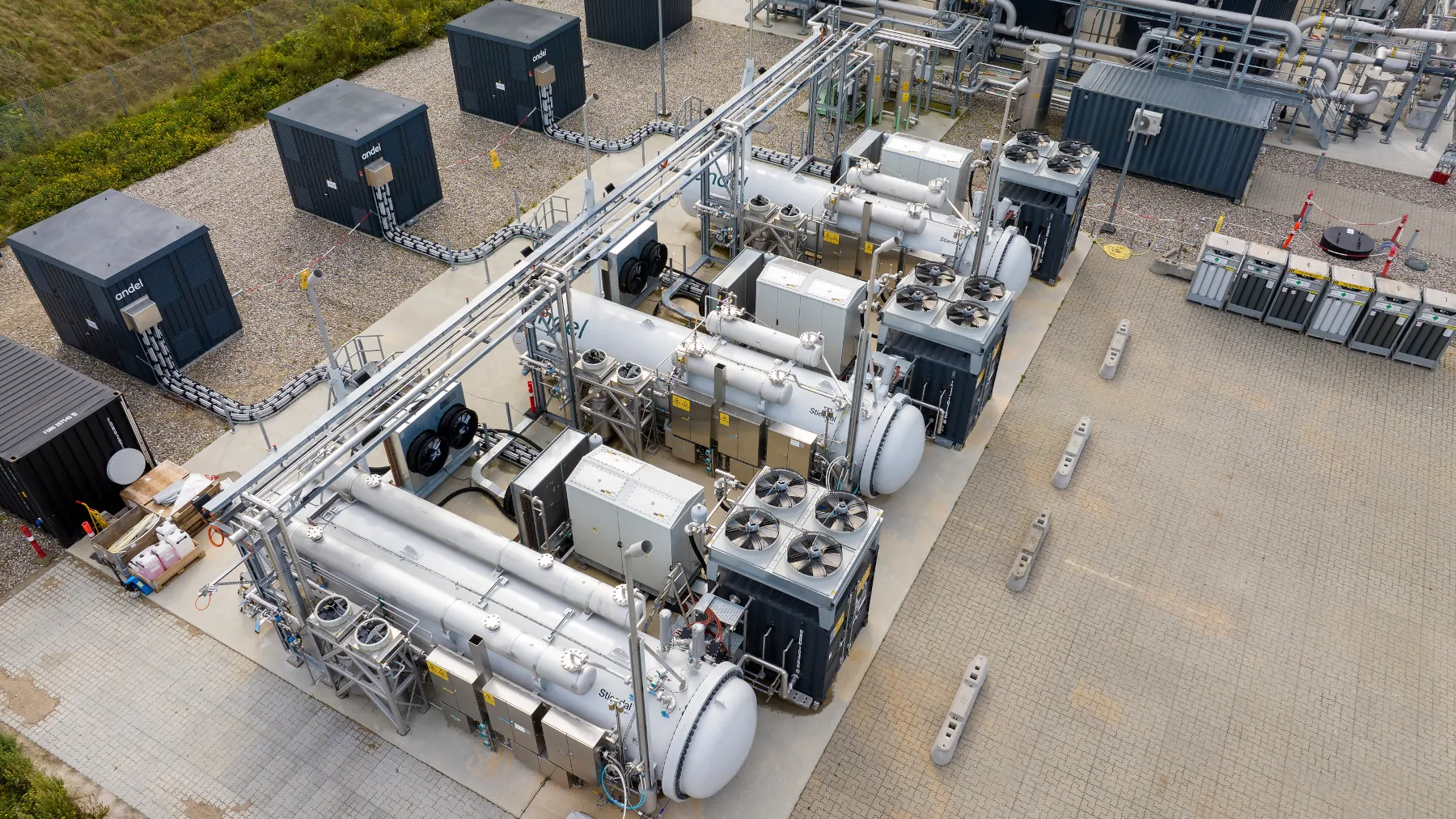
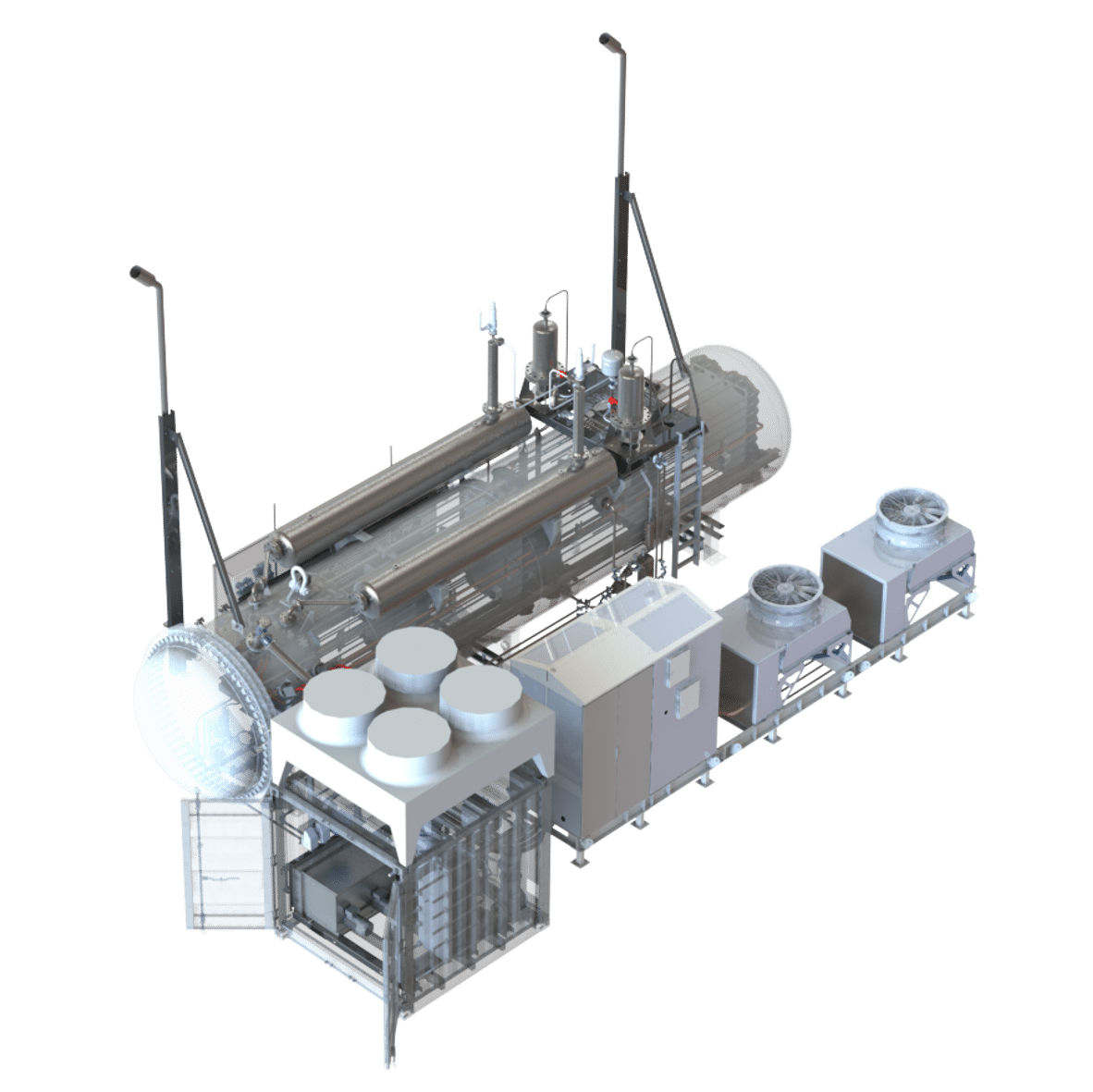
Each HydroGen Eectrolyser is a self-contained, outdoor-ready unit consisting of four main modules. Built from European Tier-1 components and delivered on standard trucks, the system requires no buildings. It offers built-in redundancy and scalable capacity: deploy a single unit for pilot projects or cluster units to reach 100+ MW without redesigning the Balance of Plant.
Dynamic by design
Optimised for intermittent renewable energy, the system system features rapid cold start and ramp-up times, and shuts down instantly. With minimal degradation over thousands of start-stop cycles, the electrolyser integrates with variable power sources and enables active demand-side grid participation.
Efficient and cost optimised
The system delivers hydrogen at up to 35 bar directly from the pressure vessel, eliminating first-stage compression and reducing downstream CAPEX and OPEX. Internal electrode cooling minimises electrical losses, while the use of mass-produced components supports high efficiency and cost-effective scaling.
Simple interfaces
Our standardised system requires minimal fence-line interfaces: medium-voltage AC power, purified water, and a SCADA control signal. Proven control and power systems ensure full grid-code compliance without the need for supplementary STATCOMs, harmonic filters, capacitors, or reactors.
First hydrogen delivered after just 16 days
Stiesdal’s team commissioned the fifth HydroGen Electrolyser unit in autumn 2025, at European Energy’s Måde PtX facility.
In just over two weeks, we went from system delivery to hydrogen production with no buildings required and minimal site preparation.
Our Head of Sales and Business Development Esben Baltzer Nielsen was in Måde to witness this achievement.


Next-generation hydrogen plant
The industrialised design of the HydroGen Electrolyser marks a shift away from custom-built chemical plants. Serving as a fundamental building block, the unit is self-contained and ready for outdoor installation.
With no buildings required and simplified transportation, developers can right-size capacity immediately and scale effortlessly as demand grows.
Rapid delivery is enabled by EU-based manufacturing of the four electrolyser modules.
In-house innovation and validation
Stiesdal Hydrogen maintains in-house lab and testing capabilities spanning technological development to performance verification, including:
- Full-scale test cells enabling long-term evaluation of lifetime, durability, and performance in real operating conditions.
- Comprehensive lab testing capabilities from small-scale experiments to full-scale cassette testing.
- Small-scale lab testing to develop and validate new electrodes, membranes, and gaskets.
Frequently asked questions
How does the Stiesdal HydroGen Electrolyser reduce project CAPEX?
Our HydroGen Electrolyser is designed for industrial mass production, using a supply chain of established Tier-1 partners.
By moving away from manual, project-specific manufacturing towards a modular ‘product’ approach, the standardised design reduces project CAPEX relative to conventional plant construction.
This modularity eliminates the need for expensive specialised buildings, as the units are self-contained and ready for outdoor installation.
Why use pressurised alkaline electrolysis at industrial scale?
Stiesdal Hydrogen uses pressurised alkaline technology because it combines the maturity and low cost of alkaline systems with the efficiency of high-pressure output.
Our unique pressure vessel design delivers hydrogen at 35 bar without the immediate need for external compression. This reduces energy losses and downstream equipment costs.
Furthermore, alkaline systems avoid the use of scarce noble metals (such as iridium or platinum), ensuring a sustainable, scalable supply chain for multi-gigawatt deployments.
How does the Stiesdal HydroGen system handle intermittent renewable energy?
The HydroGen Electrolyser is dynamic by design. It is engineered to follow the volatility of wind and solar power, the 3.1 MW system featuring a cold-start time of under five minutes and a ramp-up rate of 1% per second, and the 6.5 MW system featuring a cold-start time of under eight minutes and a ramp-up rate of 2% per second.
This flexibility allows operators to capitalise on low electricity spot prices and maintain grid stability, making it well suited to Power-to-X facilities integrated directly with renewable assets.
What makes the Stiesdal modular design plug-and-play for developers?
Each electrolyzer unit is a self-contained system consisting of four modules, which can be transported on two standard trucks. This Balance of Stack approach includes integrated cooling and power supply (via partners such as KK Group).
For the developer, this means minimal on-site civil engineering, rapid delivery, and the ability to scale projects step-wise, from small to medium clusters to 100 MW+ configurations, without redesigning the core plant architecture.
What is the role of Stiesdal Hydrogen as a sub-supplier in the green hydrogen value chain?
Stiesdal Hydrogen acts as a technology provider and industrialisation partner. We bridge the gap between R&D and large-scale deployment by designing the core technology and partnering with world-class industrial manufacturers for production.
This allows us to offer the reliability of a global supply chain with the agility of a specialised engineering house. Project developers and EPCs gain a bankable, standardised electrolysis ‘engine’ for their green energy hubs.
What is the main difference between the 3.1 MW and 6.5 MW HydroGen Electrolyser?
Both share the same core HydroGen technology, the same modular Balance of Plant philosophy, and the same pressurised hydrogen delivery up to 35 bar. The 6.5 MW roughly doubles capacity per unit at a meaningfully lower CAPEX per kW, which is approximately half the European market average, and includes MV transformation in scope. The 3.1 MW offers higher efficiency, a longer stack lifetime, and finer granularity for sizing.
Which electrolyser size is right for my project?
The right choice depends on your electricity supply and how you plan to operate the plant. As a rule of thumb: the lower your power prices and the more dynamically you intend to run, the more attractive the 6.5 MW becomes. The higher your power prices and the closer you run to baseload, the more attractive the 3.1 MW becomes.
Why does the 6.5 MW HydroGen Electrolyser suit dynamic operation at low power prices?
Dynamic operation means producing hydrogen only during the hours when electricity is cheapest or renewable supply is abundant. Three factors make the 6.5 MW the natural fit here: lower CAPEX per kW (so each kilogram benefits more from spreading capital over a flexible duty cycle), a wider operating range down to 15% of nominal (versus 25% on the 3.1 MW), and a faster ramp-up rate of 2% per second. The shorter stack lifetime in calendar hours is less of a constraint when annual production hours are limited by design.
Why does the 3.1 MW HydroGen Electrolyser suit baseload operation at higher power prices?
When electricity is the dominant cost driver and the plant runs many hours per year, two specifications carry more weight: system efficiency, which is marginally higher on the 3.1 MW (4.7-5.0 kWh/Nm³ versus 4.8-5.1), and stack lifetime, which is 80,000 hours versus 60,000. Together they reduce both OPEX per kilogram and replacement frequency over the life of the asset.
Send me your questions
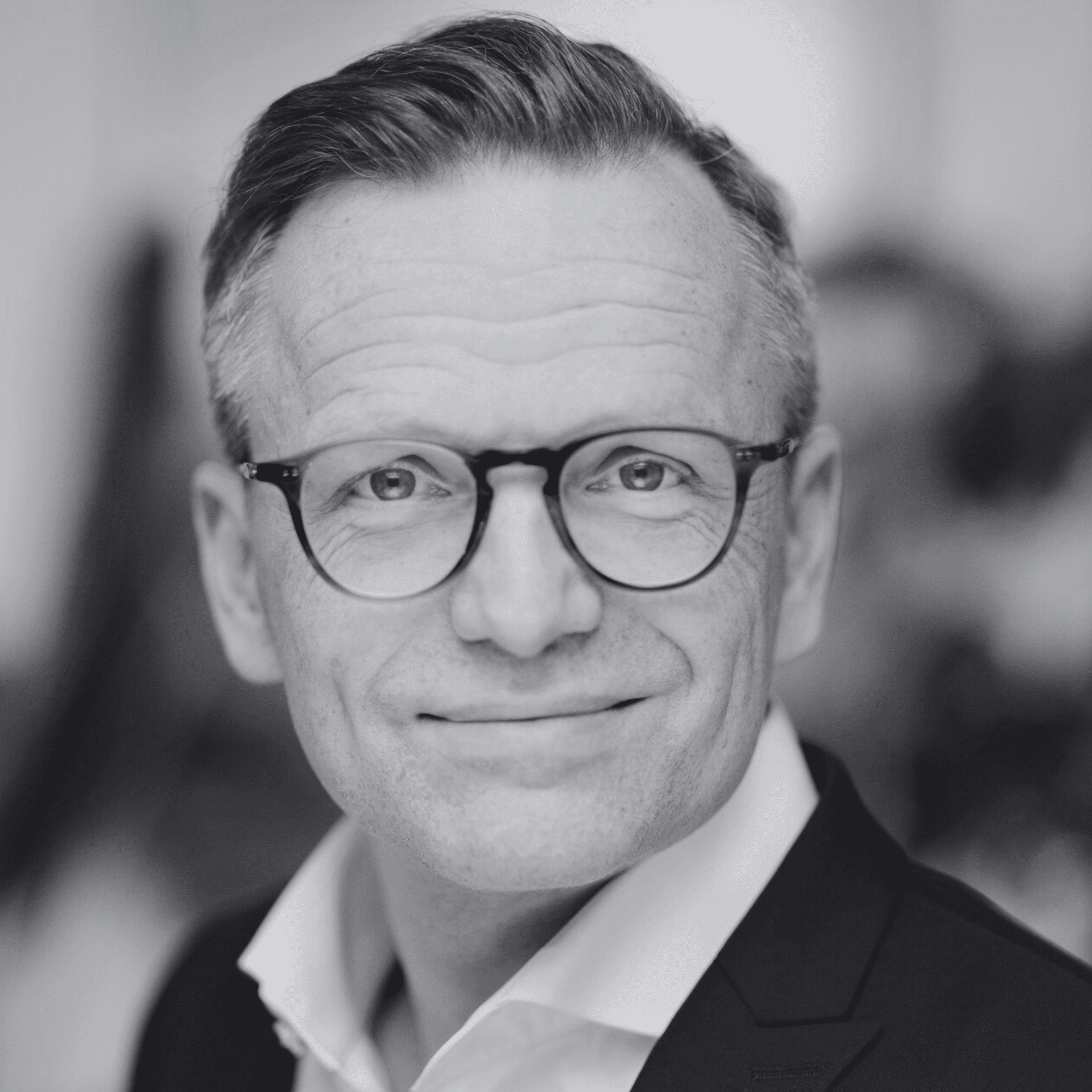
Contact Esben Baltzer Nielsen, Head of Sales and Business Development, if you have unanswered questions or want to discuss your hydrogen project.